
A Smarter Way to Handle Logistic & Warehouse Vietnam for New SMEs
Entering Vietnam offers strong potential for growth, but many foreign SMEs underestimate how complex logistic and warehouse operations really are. Vietnam has one of the highest logistics costs in Asia, reaching nearly 17 percent of GDP.
Demand fluctuates sharply between seasons, warehouse standards vary widely, and last-mile delivery is unpredictable. If operational foundations are not set correctly in the first three to six months, costs rise quickly, errors multiply, and market expansion slows down.
The challenge is not simply about storing goods or shipping products. It is about building a system that can work reliably in a fast-moving, fragmented environment.
Below is a deeper look at the real issues SMEs face and why a smarter approach to logistic and warehouse operations makes a decisive difference.
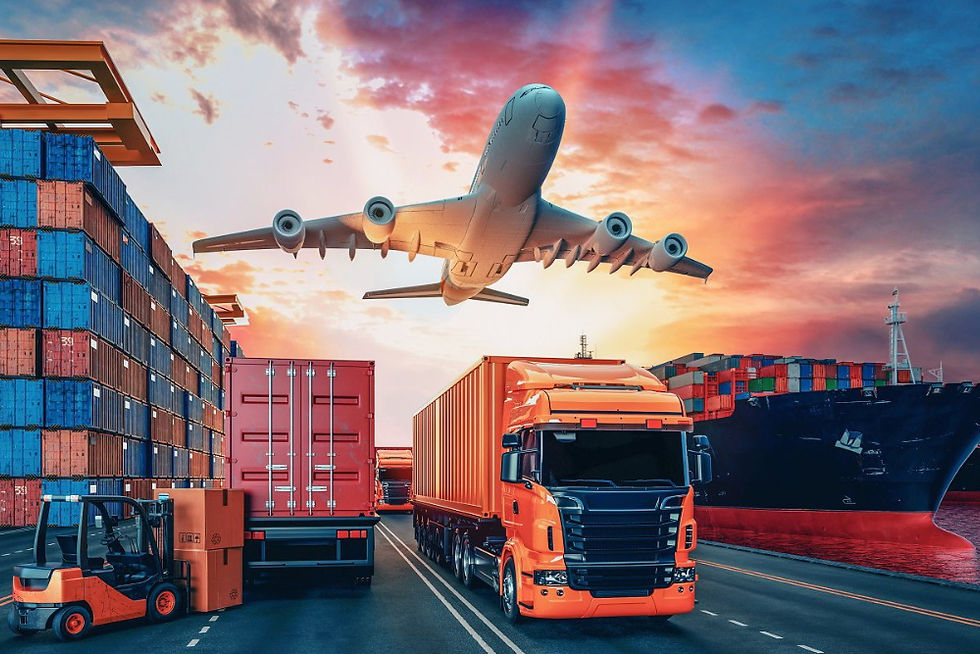
Understanding Logistic & Warehouse Vietnam in the Early Market-Entry Phase
Many foreign SMEs assume that handling logistics themselves gives more control. But Vietnam’s environment is unique.
Warehousing costs rise yearly, internal operations can become overwhelming, and delivery errors directly affect sales performance, especially on e-commerce platforms. Newcomers often discover that logistics is not a “support function” but the backbone of market entry.
1. Renting a warehouse too early without understanding the real cost structure
New SMEs often rush to rent a warehouse to feel “in control”. Yet this is where most hidden costs begin.
Warehousing cost in Vietnam is higher than expected
Rental rates in Ho Chi Minh City and Hanoi grow by 5 to 12 percent each year, and occupancy rates exceed 90 percent. This pushes SMEs toward warehouses further from the center, leading to higher delivery expenses and slower lead times.
In addition to rent, businesses must cover deposits, utilities, security, racking, packaging materials, and basic software. When sales volume is still low, these fixed costs make every order more expensive than anticipated.
Rising personnel cost for warehouse, packing, and coordination
Running even a small warehouse requires multiple roles: inbound and outbound staff, pickers and packers, a fulfillment coordinator, and sometimes a warehouse supervisor. Salaries, insurance, overtime, onboarding, and training typically take up 40 to 60 percent of logistics spending.
By month six, many SMEs realize self-operating a warehouse does not save money, it increases the burden.
Inventory loss with little ability to claim compensation
Self-managed warehouses often rely on manual processes, limited camera coverage, and inconsistent procedures. This leads to frequent discrepancies, misplaced items, or damage that cannot be traced back to any person or shift.
Because the warehouse is self-operated, there is no external party responsible for compensation. Many SMEs end up losing 1 to 3 percent of stock value each month without explanation.

2. Operating without WMS or OMS and creating a chain reaction of errors
Foreign SMEs commonly delay investing in warehouse management systems or order management systems. This is one of the biggest operational risks during market entry.
Without WMS, the warehouse becomes difficult to control
Manual operations lead to SKU mismatches, incorrect bin locations, inaccurate stock counts, and aging or expiring inventory that goes unnoticed. Most issues only surface when customers complain or when platforms penalize the store for repeated errors.
Without OMS, order processing becomes slow and inconsistent
Orders from GT, MT, and e-commerce platforms need to be sorted, packed, and processed manually. During peak seasons such as 9.9, 11.11, and Tet, some warehouses take up to 24 to 48 hours just to prepare parcels before handover to carriers.
Small mistakes quickly turn into revenue loss
Wrong items lead to negative reviews and lower search ranking. Overselling due to bad inventory information results in cancellations. Incorrect packing increases return rates. A few errors can damage one or two months of sales momentum.

3. Underestimating last-mile delivery in Vietnam and ending up with doubled or tripled costs
Last-mile delivery in Vietnam is more unpredictable than in many markets due to traffic, COD behavior, and the fragmented carrier ecosystem.
Urban congestion disrupts cost planning
A delivery only three to five kilometers away can take up to an hour in Hanoi or Ho Chi Minh City. This raises fuel, labor, and failed-delivery costs. Many SMEs underestimate last-mile expenses by 30 to 80 percent.
COD increases delivery failure rates
Cash-on-delivery is still widely preferred. Customers change their mind, do not pick up calls, or are unavailable. One parcel may require several attempts, which quickly raises costs. Returned parcels also add handling fees and lost revenue.
Service quality is inconsistent across carriers
Vietnam has thousands of local 3PLs (Third-party logistic) with uneven service standards. SMEs frequently deal with late deliveries, missing parcels, slow tracking, and inconsistent performance between districts. Poor delivery experience immediately affects e-commerce conversion and ratings.

4. Lack of experienced local staff due to limited budget
Most SMEs do not have the budget to hire senior warehouse supervisors or experienced inventory controllers. As a result, they rely on junior staff who may not understand local rules, peak-season behavior, traffic limitations, e-commerce penalties, or how to work with 3PL partners.
Instead of focusing on growth, SMEs spend time solving daily operational issues. During peak seasons, inexperienced staff cannot handle sudden spikes in volume, leading to backlogs, slower handovers, and lower seller ratings.

5. Consequences for SMEs depending on self-run operations
If SMEs continue to self-manage logistics during the first six to twelve months, they often face these challenges.
Logistics costs become 30 to 50 percent higher than expected
This is caused by warehousing overhead, labor cost, failed deliveries, inventory errors, and inefficient processes.
Operational delays weaken market momentum
Slow fulfillment affects e-commerce rankings, customer trust, and overall brand performance. Many SMEs fail not because their product is weak but because operations cannot support growth.
Market validation becomes slower and riskier
Setting up and fixing a self-run warehouse consumes time. SMEs often need two to three months before reaching minimal stability, which slows decision-making and increases financial exposure.
A Better Way Forward for SMEs Entering Vietnam
Logistic and warehouse operations in Vietnam are complex. Costs are high, demand fluctuates, and the 3PL landscape is fragmented. For most foreign SMEs, managing everything alone creates more risk than advantage.
A smarter and more effective approach is to rely on warehouse outsourcing and e-fulfillment services. This helps reduce cost, prevent operational breakdowns, and accelerate market entry.


