
Choosing the Right Channels for Vietnam Distribution Setup
- Sep 19, 2025
- 3 min read
Updated: Oct 22, 2025
Vietnam is emerging as one of the most dynamic consumer markets in Asia, with retail sales projected to reach US$350 billion in 2025 (Vietnam News, Retail 2025).
For companies considering SME Vietnam market entry, the success of their expansion depends heavily on how they design and execute a distribution network.
Choosing the right mix of distribution channels Vietnam is no longer optional — it is the foundation of long-term growth.

Why distribution matters for SMEs entering Vietnam
For many international companies, distribution is the single biggest challenge of Vietnam SME Market Entry. The country’s retail structure is fragmented, with traditional and modern formats operating side by side:
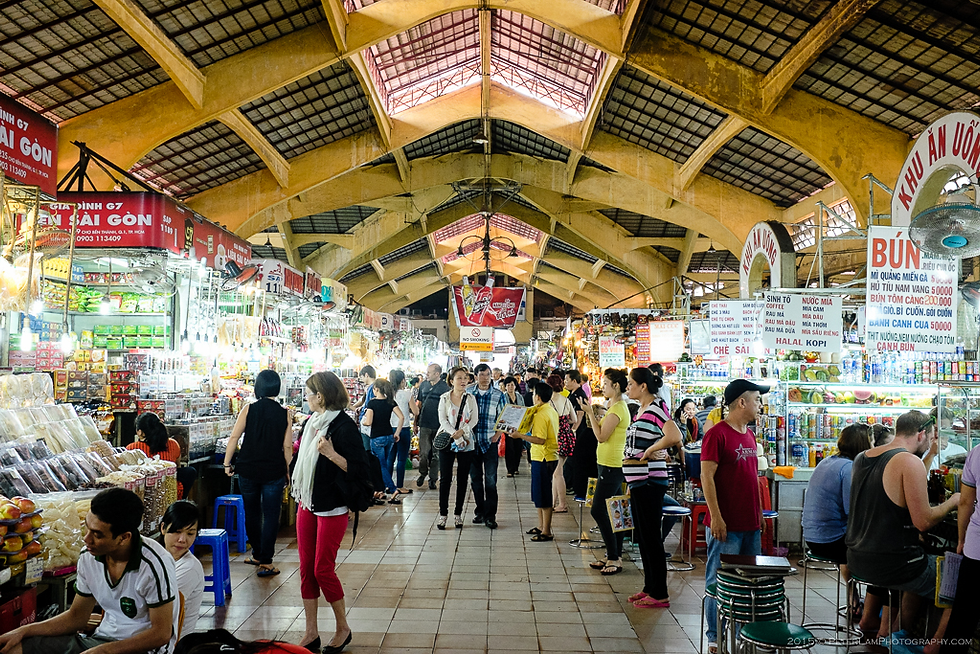
General Trade (GT) Vietnam – Small family-run stores, wet markets, and mom-and-pop shops still account for over 60% of FMCG sales (Worldpanel Vietnam, FMCG Outlook 2025).
Modern Trade (MT) Vietnam – Supermarkets, hypermarkets, and convenience stores are expanding rapidly, especially in Ho Chi Minh City and Ha Noi. Convenience chains such as GS25 and Circle K are shaping new Vietnam consumer trends.
Horeca Distribution Vietnam – Hotels, restaurants, and catering outlets represent a high-margin channel, particularly for food, beverage, and lifestyle brands.
For SMEs, establishing the right Vietnam distribution setup for SMEs means balancing reach, cost efficiency, and brand positioning.
General Trade: the backbone of mass distribution
Although modern formats are growing quickly, General Trade (GT) Vietnam remains dominant in terms of volume. Millions of small shops across the country make GT a powerful network for reaching mass consumers.
Advantages: Unmatched geographic coverage, especially in rural and second-tier cities.
Challenges: Fragmentation, reliance on intermediaries, and difficulty in brand control.
For SMEs, GT is often the first step in FMCG Distribution Vietnam, but success depends on choosing the right SME distribution partner Vietnam who can navigate complexity and ensure fast delivery.
Modern Trade: scaling visibility and brand value
Modern retail formats, from supermarkets to convenience stores, are the preferred channels for international brands. Occupancy rates in major malls remain above 90%, and convenience store chains continue to expand (Savills Vietnam, Q1/2025).
Advantages: Stronger brand visibility, better consumer experience, and higher data transparency.
Challenges: Higher listing fees, stronger competition, and rising rental costs.
For SMEs with ambitions in SME Market Expansion Vietnam, MT is the channel to build brand credibility and target urban middle-class consumers.

Horeca: a high-potential niche
The Horeca Distribution Vietnam segment is increasingly attractive, especially for food & beverage and lifestyle products. Hotels, restaurants, and cafés have become lifestyle hubs for young Vietnamese consumers.
According to Statista, Vietnam’s F&B service market is projected to grow at 7.8% annually between 2024–2028.
SMEs in beverages, packaged foods, and cosmetics can use Horeca to build aspirational brand positioning before scaling into mass retail.

E-commerce as a complementary channel
While this series focuses on offline retail, E-commerce deserves mention as a complementary channel for SMEs.
Vietnam E-commerce Market Entry on platforms like Shopee and Lazada has accelerated, particularly for FMCG and lifestyle products.
For SMEs, e-commerce is a cost-efficient way to test new SKUs, promotions, and price points before scaling into GT or MT.
Although online sales are growing, offline channels still account for the majority of consumer spending, making EC best used as a support rather than a replacement.
By blending online and offline, SMEs can gain both consumer insights and incremental revenue, supporting a stronger Vietnam SME expansion strategy.

Vietnam distribution setup for SMEs: building an integrated multi-channel strategy
SMEs should build a multi-channel strategy that integrates GT, MT, Horeca — and selectively, e-commerce — to maximize both reach and profitability.
Key considerations include:
Vietnam Market Readiness: Testing products before nationwide rollout.
Vietnam SME Challenges: Managing logistics, warehousing, and last-mile delivery.
Go2Market services Vietnam: Leveraging local expertise for a fast market entry solution Vietnam.
Working with an end-to-end distribution partner Vietnam can help SMEs reduce costs, shorten timelines, and ensure compliance with local regulations.
Why SMEs should act now
With consumer spending accelerating and infrastructure improving, Vietnam offers unmatched Vietnam market opportunity. However, competition is intensifying. SMEs that secure strong distribution networks today will be in a better position to overcome the challenges of market entry in Vietnam and capture long-term growth.
For businesses seeking a reliable Vietnam market entry partner for FMCG, now is the time to design a resilient, multi-channel distribution strategy that ensures sustainable expansion. Go2Market (G2M) Vietnam supports SMEs with end-to-end distribution setup, reducing risks and accelerating market expansion.


